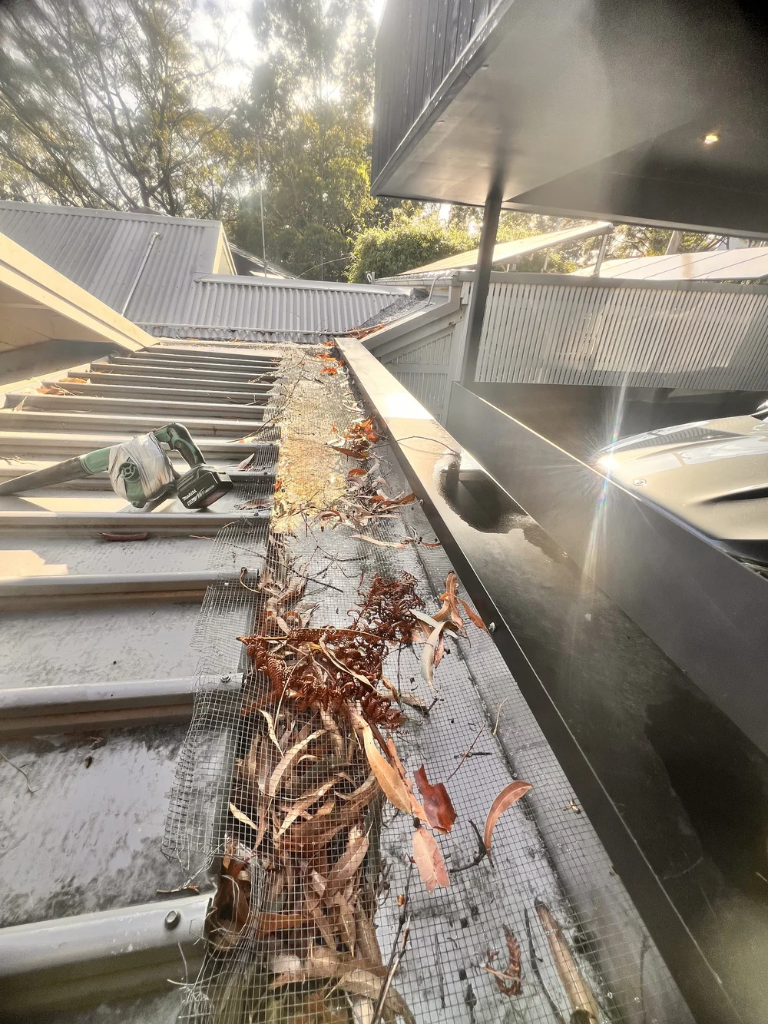
If you've ever been woken at 2am by something scratching, scurrying, or thumping around in your roof cavity — you already know how disruptive a rodent or possum infestation can be. Across the NSW South Coast, Illawarra, and Southern Highlands, roof infestations by rats, mice, and brushtail possums are extremely common — and the damage they cause is often significant and expensive.
Here's a practical guide to understanding the problem and implementing a permanent, humane solution.
Common Roof Intruders on the NSW South Coast
Common Brushtail Possum
Protected native animals, possums cannot be trapped and relocated without a permit. They're large, noisy, and can cause substantial damage to insulation and stored items in roof spaces. Entry points are typically gaps in fascias, broken tiles, or gaps around pipes and cables. Once they find a warm, dry roof cavity, they return nightly.
Black Rats (Roof Rats)
Excellent climbers, black rats access roofs via trees, pipes, and any gap larger than 15mm. They gnaw through electrical wiring — a fire hazard — contaminate insulation with droppings, and breed rapidly. A pair of rats can become a colony of 20+ within a few months.
House Mice
Can squeeze through gaps as small as 6mm. While individually less destructive than rats, mouse infestations can be significant in scale and are a persistent hygiene concern.
Common Myna and Other Birds
Aggressive nesters that establish colonies in eave gaps, roof voids, and gutters. Their nesting material is a fire risk in dry conditions and their droppings are corrosive and hygienically problematic.
How Animals Get Into Your Roof
The entry points that animals use are predictable — they're the same gaps that exist on almost every residential home in Australia:
- Gaps between fascia boards and roof tiles (particularly on older homes where fascias have shrunk)
- Ridge capping gaps — mortar fails over time, creating open channels into the roof cavity
- Gutter ends and corners where guards aren't fitted
- Around pipe penetrations through the roof (plumbing, electrical conduit)
- At the junction between different roof sections (valleys, changes in pitch)
- Broken or displaced roof tiles
- Open eave vents without appropriate screens
Why DIY Solutions Usually Fail
Homeowners often attempt to solve roof infestations with baiting or trapping. These approaches treat the symptom — the animals already inside — but don't address the root cause: the open entry points that allow animals to access your roof in the first place.
Bait stations eliminate individual animals but the population rebounds quickly from outside. Trapping and relocating possums requires a licence and professional handling. Neither approach provides a permanent solution.
The only permanent solution is physically sealing all entry points using materials animals cannot chew through or bypass.
Professional Rodent Proofing: What's Involved
Our roof proofing process involves:
- Full perimeter inspection: We walk the entire roofline identifying every potential entry point
- Custom mesh fabrication: Stainless steel or heavy-gauge galvanised mesh cut and fitted to each specific gap
- Installation: Mesh secured using appropriate fixings that animals cannot dislodge
- Ridge capping assessment: Identify and address failed mortar or open ridge joints
- Gutter integration: Coordinate with gutter guard installation where relevant to ensure a complete seal
- Photo documentation: Before and after photos of all sealed entry points
Possums: A Special Case
Because brushtail possums are protected native animals, our approach to possum proofing must be carefully managed. We never seal an entry point while a possum is inside — this would trap the animal and cause significant welfare and legal problems. We check and seal during daylight hours when possums are resting outside the roof cavity, or install one-way exclusion devices that allow possums to exit but not re-enter.
How Long Does Roof Proofing Last?
Quality stainless steel mesh installation provides a permanent barrier that doesn't degrade, corrode, or require replacement under normal conditions. We provide a workmanship guarantee, and the materials themselves are rated for 20+ years of outdoor exposure.
Ready to permanently solve your roof intruder problem? Contact AC Gutter Guard for a free assessment — or call 0423 611 350 today.
Related Services
Learn more about the services covered in this article: