Top 7 Signs You Need Gutter Guard Before Storm Season Hits NSW
Don't wait for a storm to find out your gutters are failing. These 7 warning signs tell you it's time to invest in gutter guard before the next big NSW downpour causes expensive damage.
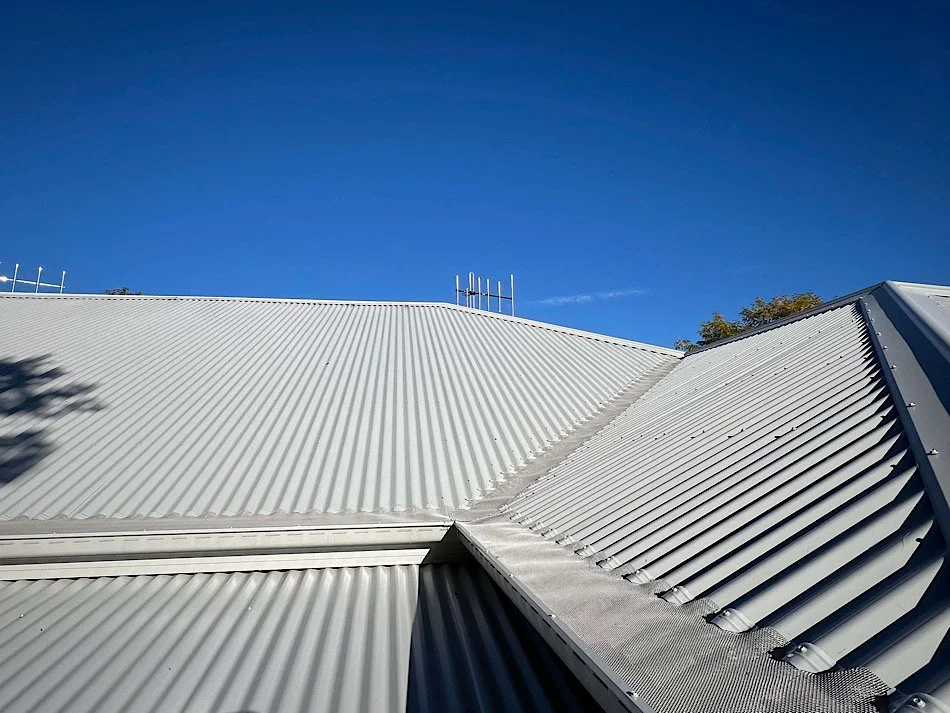
Storm season in NSW brings heavy, sudden rain that exposes any weakness in your home's water management system. Gutters that seem fine in normal conditions fail dramatically when hit with 50mm in an hour — causing overflow, water ingress, fascia damage and sometimes structural issues that cost thousands to repair.
The good news: there are clear warning signs that your gutters need attention before storm season. Here are the top 7.
Sign 1: Gutters Overflow in Even Moderate Rain
If water is pouring over the edge of your gutters during what your weather app describes as "light rain," your gutters are either blocked, undersized, or pitched incorrectly. Overflow consistently against your fascia will cause significant rot within 12–24 months. Gutter guard installation, combined with a clean, resolves debris-caused overflow immediately.
Sign 2: You Can See Debris or Plants Growing from Your Gutters
Visible leaf buildup, or worse, actual plant growth emerging from your gutters, indicates that you haven't cleaned in years and that organic material has begun composting inside the gutter. This level of blockage means your gutters are providing essentially zero drainage function during heavy rain. This is also a fire hazard — dry, decomposed organic matter in gutters is perfect ember fuel.
Sign 3: Birds or Pests Are Nesting in Your Roof
Blocked, debris-filled gutters are prime real estate for sparrows, mynahs and starlings. If you're hearing scratching, chirping or have noticed birds going in and out of your eave area, your gutters are likely contributing by providing nesting material and access cover. Gutter guards eliminate the debris that supports nesting and can be integrated with pest proofing mesh for a complete solution.
Sign 4: Staining on Your Exterior Walls or Fascia
Dark streaks running down external walls below your gutterline, or discolouration on fascia boards, indicate water has been overflowing consistently — often for months. By the time this staining is visible, moisture has already been working on your fascia timbers. Left unaddressed, fascia rot is expensive to repair and creates entry points for pests.
Sign 5: Sagging Gutters
Gutters that visibly sag or pull away from the fascia are bearing excess weight — usually from accumulated wet debris and/or water that isn't draining. Sagging gutters also disconnect from downpipes, sending water behind the fascia rather than through the drainage system. A gutter guard won't fix a structurally compromised gutter (that needs reshaping or replacement first) — but it prevents the weight accumulation that caused the sagging in the first place.
Sign 6: Pooling Water Near Your Foundations After Rain
If you consistently notice water pooling close to your home's foundations after rain — particularly on sides where downpipes discharge — your drainage system isn't working. Blocked gutters that overflow into the eave cavity can track water down wall cavities to foundations. Gutter guard, combined with checking downpipe discharge paths, addresses the root cause.
Sign 7: You're Cleaning Your Gutters Twice a Year (and Dreading It)
This isn't a damage sign — it's a lifestyle sign. If you're climbing on the roof or hiring someone twice a year to clear debris, the maths of gutter guard installation makes immediate sense. A quality installation typically pays for itself in 3–5 years of avoided cleaning costs — and the real value is the complete elimination of overflow risk events that you didn't even know were happening.
How Many of These Apply to You?
If you identified with two or more of these signs, contact us before storm season arrives. We offer free on-site assessments across Wollongong, the Illawarra, Southern Highlands, Shoalhaven and the South Coast. Call 0423 611 350 or request a quote online.
Related Services
Learn more about the services covered in this article:
Ready to Protect Your Home?
Free quotes across Wollongong, Illawarra, Southern Highlands, Shoalhaven & the South Coast.